Introduction: Why Dropshipping is Your Gateway to Ecommerce Success
The global ecommerce market is projected to hit $6.3 trillion by 2024, and dropshipping is one of the fastest ways to tap into this boom. With no upfront inventory costs and flexible operations, it’s no wonder entrepreneurs are flocking to this model. But how do you start a profitable dropshipping business? This guide breaks down everything—from choosing products to scaling your store—so you can launch confidently. Let’s begin!
What is Dropshipping?
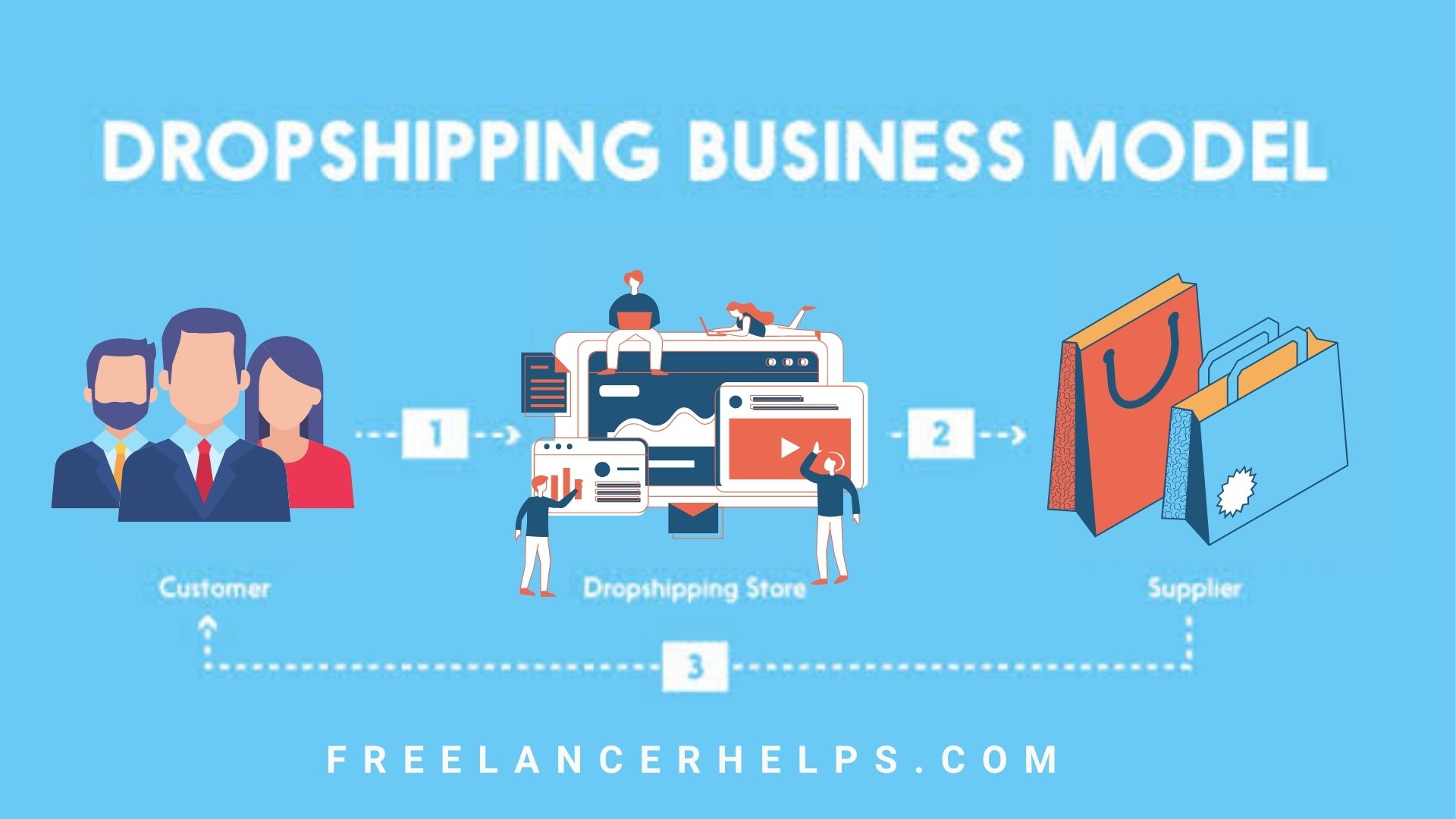
Dropshipping is a business model where you sell products online without handling inventory. Here’s how it works:
- A customer buys a product from your store.
- You forward the order to a third-party supplier.
- The supplier ships it directly to the customer.
You keep the profit margin, minus the supplier’s cost. Simple, right?
Pros and Cons of Dropshipping
| Pros | Cons |
|---|---|
| Low startup costs ($100–$500) | Thin profit margins (15–30%) |
| Work from anywhere | Supplier reliability risks |
| Scalable business model | High competition in popular niches |
Step 1: Choose a Profitable Niche
Your niche determines 80% of your success. Follow these tips:
- Solve a Problem: Target niches like “eco-friendly pet products” or “ergonomic office gear.”
- Check Demand: Use Google Trends, Amazon Best Sellers, or tools like Jungle Scout.
- Avoid Saturated Markets: Skip generic niches like “phone cases.”
Top 2024 Niches:
- Sustainable fashion
- Home fitness equipment
- Mental health gadgets
Step 2: Find Reliable Suppliers
Your supplier can make or break your business. Top platforms:
- AliExpress: Best for beginners (low MOQs).
- SaleHoo: Vetted suppliers with bulk discounts.
- Spocket: US/EU-based fast shipping.
Red Flags to Avoid:
- No reviews or contact information.
- Slow response times.
Step 3: Build Your Online Store
Platforms:
- Shopify: User-friendly, 100+ dropshipping apps.
- WooCommerce: Customizable for WordPress users.
Must-Have Features:
- Mobile-responsive design.
- Secure payment gateways (PayPal, Stripe).
- SEO-optimized product descriptions (use keywords like “buy organic skincare online”).
Step 4: Market Like a Pro
Social Media Marketing
- Partner with micro-influencers (5k–50k followers) for authentic promotions.
- Run TikTok/Instagram Reels showcasing products.
Paid Ads
Email Marketing
- Offer a 10% discount for newsletter signups.
- Use automation tools like Klaviyo for abandoned cart reminders.
Step 5: Manage Orders and Customer Service
- Automate Order Forwarding: Use apps like Oberlo or DSers.
- Handle Returns Gracefully: Work with suppliers who accept returns.
- Boost Reviews: Send follow-up emails asking for feedback.
Step 6: Scale Your Business
- Upsell/Cross-Sell: Offer complementary products (e.g., phone cases with screen protectors).
- Expand to New Markets: Localize your store for regions like Europe or Southeast Asia.
- Reinvest Profits: Upgrade to premium tools or hire a virtual assistant.
7 Common Dropshipping Mistakes to Avoid
- Ignoring SEO (optimize for keywords like “best dropshipping suppliers”).
- Choosing cheap, low-quality products.
- Overlooking mobile optimization.
- Failing to analyze competitors (use SEMrush).
FAQs
Q1: How much money do I need to start?
A: As little as $100 for a Shopify plan and sample products.
Q2: Is dropshipping legal?
A: Yes, but comply with local business licenses and tax laws.
Q3: Which countries are best for suppliers?
A: China (budget-friendly) or US/EU (faster shipping).
Conclusion: Your Dropshipping Journey Starts Now!
Dropshipping offers a low-risk path to entrepreneurship, but success requires research, patience, and adaptability. Use this guide to avoid pitfalls and build a brand that stands out. Ready to take the leap? Share your progress in the comments or explore our [Dropshipping Supplier Checklist]() for more tips!